“International Academic Mobility Program for Education and Scientific-Practical Training in Cooperation with Subharti University (India)”
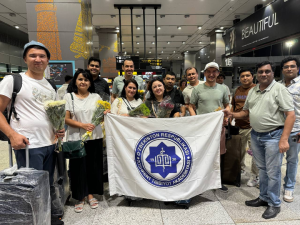
From August 5 to August 21, 2024, within the framework of a training and professional development program organized in cooperation with Subharti University located in Meerut, India, Associate Professor of the Department of Histology and Medical Biology of Tashkent Medical Academy, Sobirova Dildora Ravshanovna, participated in advanced training courses based on academic mobility.
The main purpose of this international visit was to exchange scientific and pedagogical experience, become closely acquainted with advanced achievements in medicine and education, study modern innovative technologies, and further strengthen bilateral cooperation.
Studying and Analyzing Advanced Practices in Medicine and Education
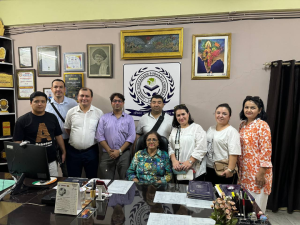
During the visit, the delegation thoroughly ознакомed itself with the activities of Subharti University, its research areas, educational and methodological system, as well as the clinical operations of its base — Subharti Hospital.
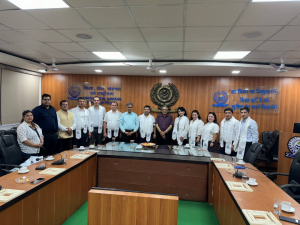
As part of the visit, campus tours, official meetings, introductions to departmental activities, and practical tours of clinical departments were organized. In particular, high-tech surgical procedures, including robot-assisted operations, were observed. This provided an opportunity to directly witness the efficiency and precision of robotic systems in modern medical practice.
The professors became acquainted with modern medical equipment, digital diagnostic platforms, telemedicine capabilities, and innovative teaching methodologies. Especially noteworthy was the use of digital analytics and artificial intelligence elements in clinical decision-making processes. This contributes to strengthening practical skills, deepening clinical thinking, and improving the educational process in accordance with modern requirements.
Modernization and Integration of the Healthcare System Based on Digital Technologies
During the visit, special attention was paid to the widespread implementation of digital technologies in healthcare. The delegation studied electronic medical documentation systems, online patient registration systems, and mechanisms for managing laboratory and instrumental examination results through a unified digital database.
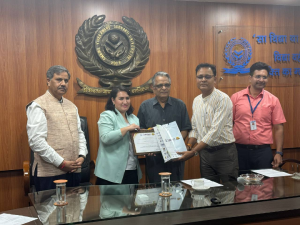
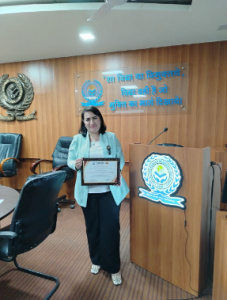
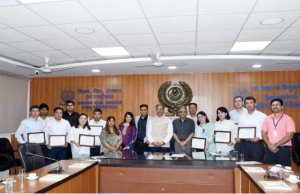
A visit to the university’s information and resource center provided insight into scientific electronic databases, access to international journals, plagiarism detection systems, and mechanisms supporting scientific research. This experience is of significant importance for developing scientific activity and expanding international research cooperation.
Cultural-Educational Cooperation and Development of Spiritual Ties Program
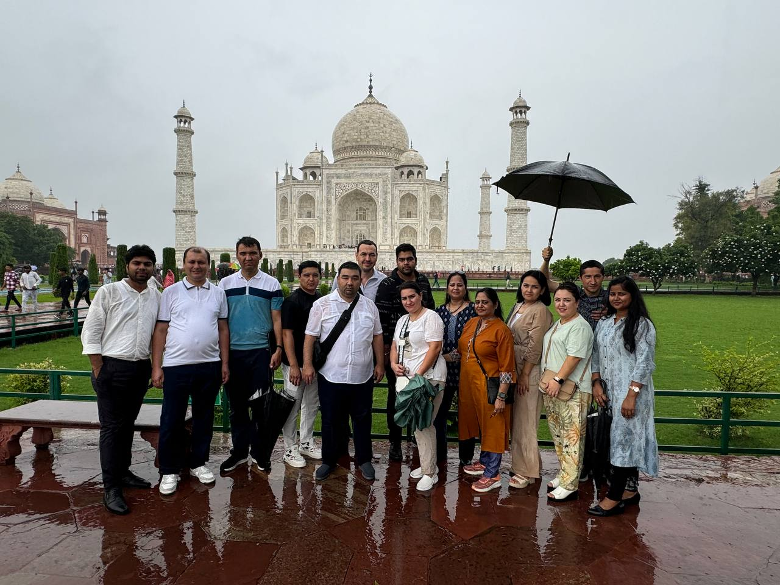
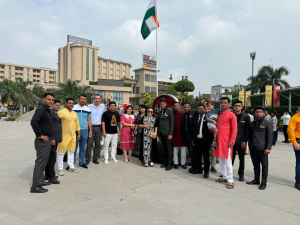
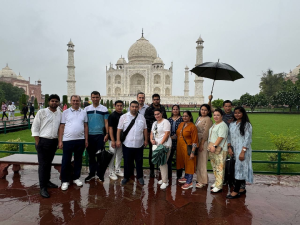
Within the framework of the visit, cultural and educational events were also organized. The delegation explored the historical and cultural landmarks of Meerut, gaining a broad understanding of India’s rich culture, traditions, and educational heritage. Such interactions contribute to strengthening mutual respect and solidarity between nations.
Analysis of Healthcare Institutions’ Activities and Advanced Practical Experience
Additionally, the activities of private clinics were studied, including quality control of medical services, management and marketing approaches, and patient service culture. This experience is important from the perspective of improving healthcare service systems and implementing effective management models.
Analysis of the Results Achieved and Outcomes of the Academic Visit
This academic mobility visit became an important step toward enhancing scientific and pedagogical capacity, developing international cooperation, and implementing modern trends in medical education into practice. It is planned to apply the acquired knowledge and experience to the educational process of Tashkent Medical Academy, introduce innovative teaching methods, and further intensify research activities.
This international cooperation has created a solid foundation for strengthening scientific and practical ties between the two higher education institutions, conducting joint research, and expanding the exchange of professors and students.